Threshold journal
Read the room before the decision becomes furniture.

08
signals held
03
exits kept
01
choice delayed
How Risoi reads
A note is useful only when it changes the meeting.
Weather
What changed outside the room: timing, pressure, appetite, attention, season.
Friction
Where the current plan rubs: handoffs, language gaps, maintenance, fatigue.
Grace
What remains reversible, kind, and easy to explain when the answer is still forming.
Field position
Risoi is not a productivity system. It is a practice of refusing premature certainty.
Many bad decisions do not begin as recklessness. They begin as tidy language. A team names the project too early, a family assumes the move is simple, a founder treats a weak signal as proof because everyone is tired. Risoi keeps attention on the messy middle, where the next useful question is still available.
Each piece is written as a room note: what is on the table, what is missing, what the pressure is asking for, and which part of the plan should stay soft for one more pass. The tone is direct because delay can be costly. It is also humane because forcing a decision before its shape appears is another kind of waste.
The site favors observable detail over grand frameworks. A late reply, a budget corner, a phrase people avoid, a maintenance task no one owns: these are not small things when they keep returning. Risoi turns those returns into readable material.
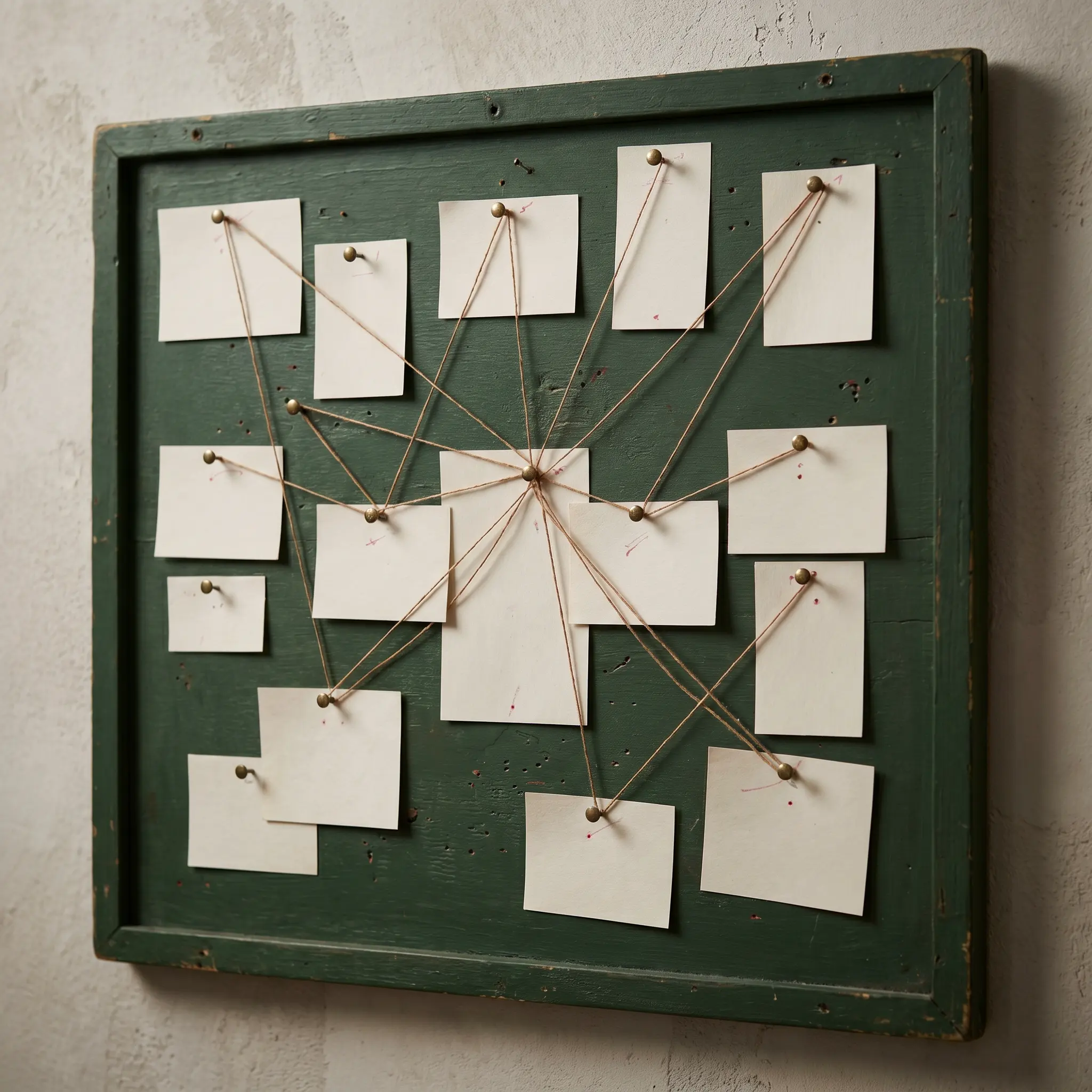
Desk readings
Lines kept above the desk.
A deadline can be loud and still not be the most important signal.
A small objection repeated by three quiet people deserves more weight than a grand objection shouted once.
A good plan leaves a visible path back to the last honest assumption.
A calm no is often a better instrument than a heroic yes.